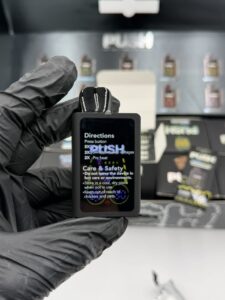
Vaporizing THC has become a widely searched topic as interest grows in cannabis vaporisers, THC vape pens and alternative methods of cannabis consumption. But what does vaporizing THC actually mean, how does it differ from smoking cannabis, and what should people in the United Kingdom understand about its effects, health risks and legal status?
THC, short for tetrahydrocannabinol, is the primary psychoactive compound associated with cannabis. When cannabis material or THC-containing extracts are heated in a vaporising device, some of their chemical constituents can become airborne and be inhaled.
Although vaporisation differs from combustion, that does not mean it is harmless. The type of material, device design, chemical composition and frequency of exposure can all influence the risks.
This guide explains the science behind THC vaporisation, the different types of vaporisers, potential effects on the body, common misconceptions and the legal position in the UK heading into 2027.
What Is Vaporizing THC?
Vaporizing THC refers to heating cannabis material or THC-containing extracts to produce an inhalable aerosol without deliberately burning the material in the same way as traditional smoking.
The term vaporizing is common in international searches, particularly in American English. In British English, the process is generally described as vaporising.
Both spellings refer to the same broad process.
THC occurs naturally in cannabis, although much of the THC in fresh plant material initially exists in acidic precursor forms, particularly THCA. Heating can convert THCA into THC through a chemical reaction called decarboxylation.
Different vaporising technologies can expose cannabis compounds to heat in different ways.
However, the resulting aerosol is not necessarily pure THC or harmless water vapour. It may contain other cannabinoids, terpenes, particles and potentially harmful substances.
How Does THC Vaporisation Work?
Vaporisation relies on transferring heat to a substance so that volatile components can enter the air.
In cannabis-related devices, the process generally involves three elements:
- A heating component that generates or transfers heat.
- Cannabis material or an extract containing cannabinoids.
- An airflow pathway through which the resulting aerosol travels.
The exact process varies depending on the technology and material involved.
Heating may also cause chemical degradation or the formation of unwanted by-products, particularly when materials or device components are exposed to excessive temperatures.
This is one reason why the distinction between vaporising and smoking should not be interpreted as proof of safety.
Vaporizing THC vs Smoking Cannabis: What’s the Difference?
One of the most common questions surrounding THC vaporisation concerns how it compares with smoking cannabis.
Smoking involves combustion. Plant material burns, producing smoke containing gases, particles and numerous chemical by-products.
Vaporisation is designed to heat material without sustained combustion, although unwanted thermal reactions can still occur.
The two methods therefore differ in how airborne substances are produced.
| Feature | Vaporizing THC | Smoking Cannabis |
|---|---|---|
| Main process | Heating and aerosol formation | Combustion |
| Material | Cannabis flower or extracts | Usually dried cannabis flower |
| Airborne output | Aerosol containing vaporised and other substances | Smoke containing combustion products |
| Potential respiratory exposure | Aerosol particles and chemical by-products | Smoke, particles and combustion products |
| Health risk | Not risk-free | Not risk-free |
| UK recreational legality | Unauthorised THC remains controlled | Unauthorised cannabis remains controlled |
Is Vaporizing THC Safer Than Smoking?
Avoiding combustion may reduce exposure to certain substances produced by burning plant material.
However, this does not establish that THC vaporisation is safe or that it eliminates respiratory or cardiovascular risks.
Cannabis aerosols may contain harmful contaminants, and the long-term effects of repeated inhalation remain incompletely understood.
Some THC vaping products have also been associated with serious lung injuries, particularly products containing harmful additives or contaminants.
Consequently, claims that vaporising cannabis is completely safe, healthy or harmless are misleading.
Types of THC Vaporisers Explained
The phrase THC vaporiser covers several different technologies rather than one standard product.
Understanding the differences helps readers interpret research, product descriptions and health warnings.
Dry Herb Vaporisers
Dry herb vaporisers are designed to heat cannabis flower rather than liquid extracts.
Their heating systems may use conduction, convection or a combination of both.
Conduction transfers heat through direct contact with a heated surface, while convection uses heated air passing through the material.
The resulting aerosol composition can vary according to device design, material quality and heating conditions.
Dry herb vaporisers are also discussed in the context of certain prescribed cannabis-based medicinal products.
However, possessing a vaporiser does not make unauthorised cannabis possession legal.
THC Vape Pens
THC vape pens are electronic devices associated with cannabis oils or extracts.
Some use replaceable cartridges, while others are manufactured as integrated devices.
Unlike dry herb vaporisers, these products generally involve a prepared liquid or concentrated extract.
Their chemical composition can differ substantially between products.
A label claiming a particular THC concentration does not independently establish that the contents have been accurately measured or are free from contaminants.
Cannabis Concentrate Vaporisers
Some vaporising technologies are designed for concentrated cannabis extracts.
Concentrates may contain much higher THC concentrations than conventional cannabis flower.
Higher concentrations can increase the likelihood of unwanted psychoactive effects, particularly for people who are inexperienced or sensitive to THC.
Concentrate products may also differ in their residual solvents, additives and other chemical constituents.
What Happens to THC When It Is Vaporised?
THC interacts with the body’s endocannabinoid system, particularly cannabinoid receptors involved in functions such as memory, mood, appetite and movement.
When THC is inhaled, it can enter the bloodstream through the lungs and reach the brain relatively quickly.
This is why inhaled cannabis can produce effects sooner than cannabis products that are swallowed.
However, the intensity and duration of effects depend on several factors, including the amount of THC absorbed, individual tolerance, product composition and the presence of other substances.
Commonly Reported Effects of THC
Effects may include:
- Changes in mood or perception.
- Feelings of relaxation or euphoria.
- Altered perception of time.
- Increased appetite.
- Reduced attention and concentration.
- Impaired short-term memory.
- Slower reaction times.
- Dizziness or changes in coordination.
Not everyone experiences THC in the same way.
Some people report unpleasant effects, including anxiety, panic, confusion or paranoia.
Higher exposure can increase the risk of more severe reactions.
How Long Do the Effects Last?
Inhaled THC generally begins producing effects relatively quickly, often within minutes.
The noticeable effects may last several hours, while impairment can persist longer depending on the individual and exposure.
There is no universally reliable timeline that determines when someone is safe to drive or perform other potentially dangerous activities.
THC can impair judgement, coordination and reaction time even when a person no longer feels strongly intoxicated.
Potential Health Risks of Vaporizing THC
The health implications of vaporising cannabis deserve particular attention because the absence of visible smoke can create a false impression of safety.
Both the psychoactive effects of THC and the chemical composition of inhaled aerosols matter.
Respiratory Irritation
Inhaling aerosols can irritate the respiratory tract.
Possible symptoms include coughing, throat irritation, chest discomfort and breathing difficulties.
The severity of these symptoms may depend on individual susceptibility, existing respiratory conditions and the substances present in the aerosol.
People with asthma or other lung conditions may face additional concerns.
THC Vaping and Lung Injury
Serious lung injuries have been associated with certain vaping products.
During the outbreak of e-cigarette or vaping product use-associated lung injury, often called EVALI, investigators identified a strong association with THC-containing vaping products, particularly those obtained from informal sources.
Vitamin E acetate was identified as a major substance of concern.
However, not every case could be attributed to one ingredient, and the absence of vitamin E acetate does not prove that an aerosol is safe.
Symptoms such as severe shortness of breath, chest pain or worsening breathing difficulties require prompt medical assessment.
Mental Health Considerations
THC can affect mood, perception and thinking.
Some people experience anxiety, panic or paranoia after exposure.
Regular cannabis use, particularly involving high-THC products, has also been associated with an increased risk of psychotic disorders in susceptible individuals.
The relationship between cannabis exposure and mental health is complex, but higher potency and frequent use are important risk considerations.
Dependence and Cannabis Use Disorder
THC can be habit-forming.
Repeated exposure may lead to tolerance, meaning that the same amount produces less noticeable effects over time.
Some people develop cannabis use disorder, characterised by difficulty controlling consumption despite negative consequences.
Withdrawal symptoms following frequent use may include irritability, sleep disturbances, reduced appetite and restlessness.
Cardiovascular Effects
THC can temporarily increase heart rate and may affect blood pressure.
These changes may be particularly relevant to individuals with cardiovascular disease or other underlying medical conditions.
Research into the longer-term cardiovascular effects of cannabis continues to develop.
THC Vape Oil, Cannabis Flower and Concentrates
Not all materials associated with THC vaporisation have the same chemical composition.
Cannabis flower naturally contains a mixture of cannabinoids, terpenes and other plant constituents.
Extracts and concentrates undergo processing that can change the relative concentrations of these substances.
Some formulations also contain additional ingredients intended to alter consistency, flavour or other physical characteristics.
These differences matter because two products described as THC vapes may produce very different exposures.
Why THC Concentration Matters
THC concentration is commonly expressed as a percentage or a quantity per unit of product.
A higher concentration does not automatically mean better quality.
Instead, it generally indicates that a greater proportion of the product consists of THC.
High-potency products can increase the risk of adverse psychological and physical effects.
Furthermore, concentration alone does not establish purity, authenticity or safety.
Understanding Laboratory Testing
Independent laboratory analysis can help identify the chemical composition of cannabis-related products.
Depending on the tests performed, reports may address cannabinoid content, residual solvents, pesticides, heavy metals and certain microbial contaminants.
However, laboratory reports have limitations.
A report may be outdated, incomplete, unrelated to the actual product batch or falsely represented.
Even a genuine report showing that selected contaminants were not detected cannot guarantee that inhaling a product is harmless.
Is Vaporizing THC Legal in the UK in 2027?
UK cannabis law distinguishes between unauthorised recreational possession and tightly regulated medical access. Check more on the question be always ask which is Are THC vapes legal in the UK?
Under the legal framework in force in November 2026, cannabis and THC are controlled under the Misuse of Drugs Act 1971.
For further information about the legal status of cannabis, THC and other cannabinoids, readers can consult the UK Home Office’s official cannabis and cannabinoid drug licensing guidance.
Cannabis is classified as a Class B drug.
Unauthorised possession, production, supply and importation can result in criminal penalties.
The fact that THC is contained in a vape cartridge, cannabis extract or vaporised material does not automatically change its controlled status.
This article describes the established legal framework heading into 2027. Any legislative changes introduced after publication should be checked against current official guidance.
Is Recreational THC Vaping Legal?
Under the current UK legal framework, recreational possession and supply of THC-containing cannabis products are generally unlawful without the relevant legal authorisation or exemption.
A product being advertised online, described as premium or labelled as a disposable vape does not make it lawful.
The legal classification depends on the substances involved and the applicable statutory rules.
What About Medical Cannabis Prescriptions?
Since November 2018, certain cannabis-based medicinal products have been available through specialist prescribing arrangements in the UK.
Medical access is subject to specific legal and clinical requirements.
A legitimate prescription does not create unrestricted permission to obtain or use recreational THC products.
Patients should follow the instructions of their prescribing clinician and dispensing pharmacy.
For more information about prescription cannabis medicines, their availability and potential side effects, readers can consult the NHS guidance on medical cannabis.
Does the UK Disposable Vape Ban Apply to THC?
The UK’s ban on single-use vapes, introduced in 2025, is a separate regulatory measure from the laws controlling cannabis and THC.
It should not be interpreted as either legalising or newly classifying recreational THC.
The underlying controlled-drug legislation continues to apply independently.
For a broader explanation, see our guide to UK cannabis laws.
Vaporizing THC vs CBD: Understanding the Difference
THC and cannabidiol (CBD) are both cannabinoids associated with the cannabis plant, but they have different pharmacological properties.
THC is primarily associated with intoxication and impairment.
CBD does not ordinarily produce the same intoxicating effects.
However, CBD products are not automatically legal simply because they are labelled as cannabidiol.
Their legal status can depend on composition, the presence of controlled cannabinoids and the regulatory category under which they are supplied.
| Comparison | THC | CBD |
|---|---|---|
| Intoxicating effects | Yes | Generally no |
| Primary reputation | Psychoactive cannabinoid | Non-intoxicating cannabinoid |
| Potential side effects | Anxiety, impairment, dizziness and others | May include drowsiness, digestive effects and drug interactions |
| UK legal position | Controlled, subject to limited lawful routes | Depends on product composition and applicable regulations |
| Medical use | Certain regulated medicinal products | Certain regulated medicinal products |
Readers interested in this distinction can explore our CBD vs THC UK comparison.
Common Misconceptions About THC Vaporisation
Myth 1: Vaporizing THC Produces Only Water Vapour
Cannabis vaporisers do not simply produce water vapour.
Their aerosols can contain cannabinoids, particles and other chemical substances.
The precise composition depends on the material and device.
Myth 2: No Smoke Means No Health Risks
The absence of conventional smoke does not eliminate the possibility of respiratory injury or other health effects.
Inhaled aerosols may still expose the lungs to harmful substances.
Myth 3: All THC Vape Products Are the Same
Products vary in cannabinoid concentration, manufacturing processes, ingredients and device technology.
These differences can affect both exposure and potential risks.
Myth 4: A Laboratory Report Guarantees Safety
Laboratory testing can provide useful information about selected substances, but no single report guarantees the safety of inhalation.
Myth 5: THC Vaping Is Legal Because Vaping Is Legal
The legal status of an electronic device is separate from the legal status of a controlled substance placed inside it.
UK law continues to regulate THC regardless of how it is consumed.
Vaporizing THC and the Future of Cannabis Research
Research into cannabis vaporisation continues to examine several important questions.
Scientists are studying the composition of aerosols, how different heating technologies affect chemical emissions and how inhaled cannabinoids influence the body.
Researchers are also investigating the longer-term effects of frequent exposure and the potential consequences of high-potency cannabis products.
Medical cannabis research presents additional questions about appropriate formulations, clinical effectiveness and patient safety.
As new evidence becomes available, established assumptions about cannabis vaporisation may need to be revised.
For readers in the UK, understanding the difference between scientific evidence, commercial claims and legal requirements remains especially important.
Frequently Asked Questions About Vaporizing THC
What does vaporizing THC mean?
Vaporizing THC means heating cannabis material or a THC-containing extract to produce an inhalable aerosol without deliberately burning the material in the same manner as smoking.
Is vaporizing THC the same as smoking weed?
No. Smoking involves combustion, while vaporisation is intended to heat material without sustained burning. Both methods carry health risks.
Can vaporizing THC make you high?
Yes. THC is psychoactive and can produce intoxication, changes in perception and impaired coordination.
Is vaporizing THC harmful to your lungs?
It can be. THC-containing aerosols may irritate the respiratory system, and certain vaping products have been linked to serious lung injuries. Long-term risks are not fully understood.
Is vaporizing THC safer than smoking cannabis?
Vaporisation may reduce exposure to some combustion-related substances, but this does not establish that it is safe. Different products and devices have different risks.
How quickly does vaporized THC work?
Inhaled THC can begin producing noticeable effects within minutes, although the timing and intensity vary.
Does vaporizing THC smell like cannabis?
Cannabis aerosols can have a noticeable odour, although the smell may differ from smoke produced by burning cannabis flower.
Is vaporizing THC legal in the UK?
Unauthorised recreational possession and supply of THC remain generally unlawful under the UK legal framework in force in November 2026. Certain prescribed cannabis-based medicinal products are permitted under specific conditions.
Can medical cannabis patients use vaporisers?
Some prescribed cannabis-based medicinal products may be administered using appropriate vaporising equipment when directed by a specialist clinician. Patients should follow their prescription and clinical advice.
Are THC vape cartridges legal in the UK?
A THC-containing cartridge is not automatically lawful because it is marketed as a vape product. Its legal status depends on its contents and any applicable authorisation or exemption.
Does a higher THC percentage mean better quality?
No. Higher THC concentration indicates greater potency, not necessarily better quality, purity or safety.
Can THC vaporisation cause anxiety?
Yes. THC exposure can produce anxiety, panic or paranoia in some individuals, particularly with higher-potency products.
Is vaporizing THC addictive?
Repeated THC use can lead to dependence and cannabis use disorder in some people.
Is THC the same as CBD?
No. THC is intoxicating, whereas CBD generally does not produce the same psychoactive effects. Their legal and medical characteristics also differ.
Will vaporizing THC become legal in the UK in 2027?
There is no basis for assuming that recreational THC vaporisation will become legal in 2027. Any future legislative change would need to be confirmed through official UK government sources.
Final Thoughts on Vaporizing THC in 2027
Vaporizing THC is a subject that combines cannabis chemistry, electronic device technology, public health and controlled-drug legislation.
Although vaporisation differs from traditional smoking, it should not be described as risk-free. The effects of THC, the composition of inhaled aerosols and the potential for contaminants all deserve careful consideration.
For UK readers, the legal distinction is equally important. Cannabis and THC remain controlled substances under the framework in force as this guide is prepared, while medical access is limited to regulated circumstances.
Understanding these issues helps readers distinguish evidence-based information from misleading claims about cannabis vaporisation.
At RealTHCVapes.co.uk, our educational guides explore cannabis terminology, cannabinoid research, product-related safety concerns and the UK legal framework to help readers understand a rapidly evolving subject.
Editorial note: This article provides general educational information and is not medical or legal advice. Legal information reflects the UK framework verified in November 2026 and should be reviewed for changes during 2027.